Communication, collaboration and judgment matter in almost every profession. Young people need more chances to practice them.
When we talk about preparing young people for their future careers, it's natural to focus on what they need to know.
But I've come to believe we need to spend just as much time thinking about what they need to be able to do.
Can they communicate their ideas clearly? Can they work with someone who sees a problem differently? Can they accept feedback, adjust their approach and keep going when something doesn't work the first time?
These are skills that matter in almost every profession.
And they're some of the capabilities employers consistently tell us they need.
At Junior Achievement North, we call them Power Skills.
I love that term because it reflects just how important these abilities are to a young person's future.
Technical knowledge will always matter. But as technology changes the workplace, we need to make sure students are also developing the human skills that help them succeed in unfamiliar situations.
Knowing Something and Knowing How to Apply It Are Different
Think about the first time you were asked to solve a problem at work without knowing exactly what to do.
Maybe you had to ask questions, gather information or work with someone whose perspective was different from your own.
Those experiences teach us a great deal.
But what if we could give students more opportunities to develop those capabilities before they enter the workforce?
What if they had more chances to work through real business challenges, communicate their recommendations and learn from professionals who use those skills every day?
That's the kind of learning I believe can make a lasting difference.
It's also where businesses have a tremendous opportunity to support education in ways that go beyond traditional career advice.
What We're Learning Through Junior Achievement
Research from Junior Achievement USA gives us some encouraging evidence.
In a 2026 report on Junior Achievement alumni, 90% of surveyed alumni reported strengthening their critical thinking skills, while 89% reported improvements in communication and adaptability.
Those findings reinforce something we see in our own work: young people benefit when they have opportunities to put what they're learning into practice.
One program I'm especially excited about is 3DE by Junior Achievement.
In partnership with Saint Paul Public Schools, 3DE connects classroom learning to actual business challenges.
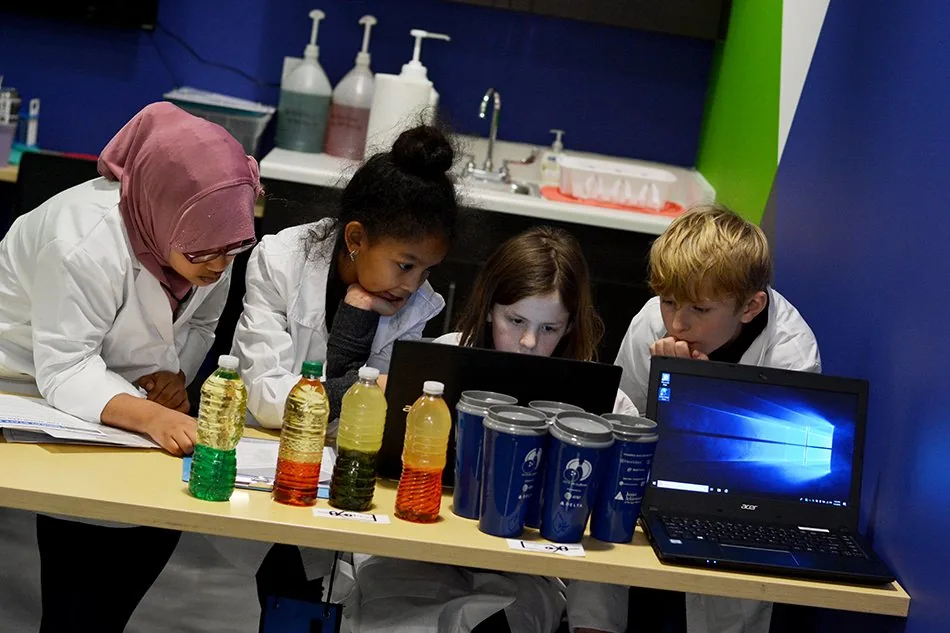
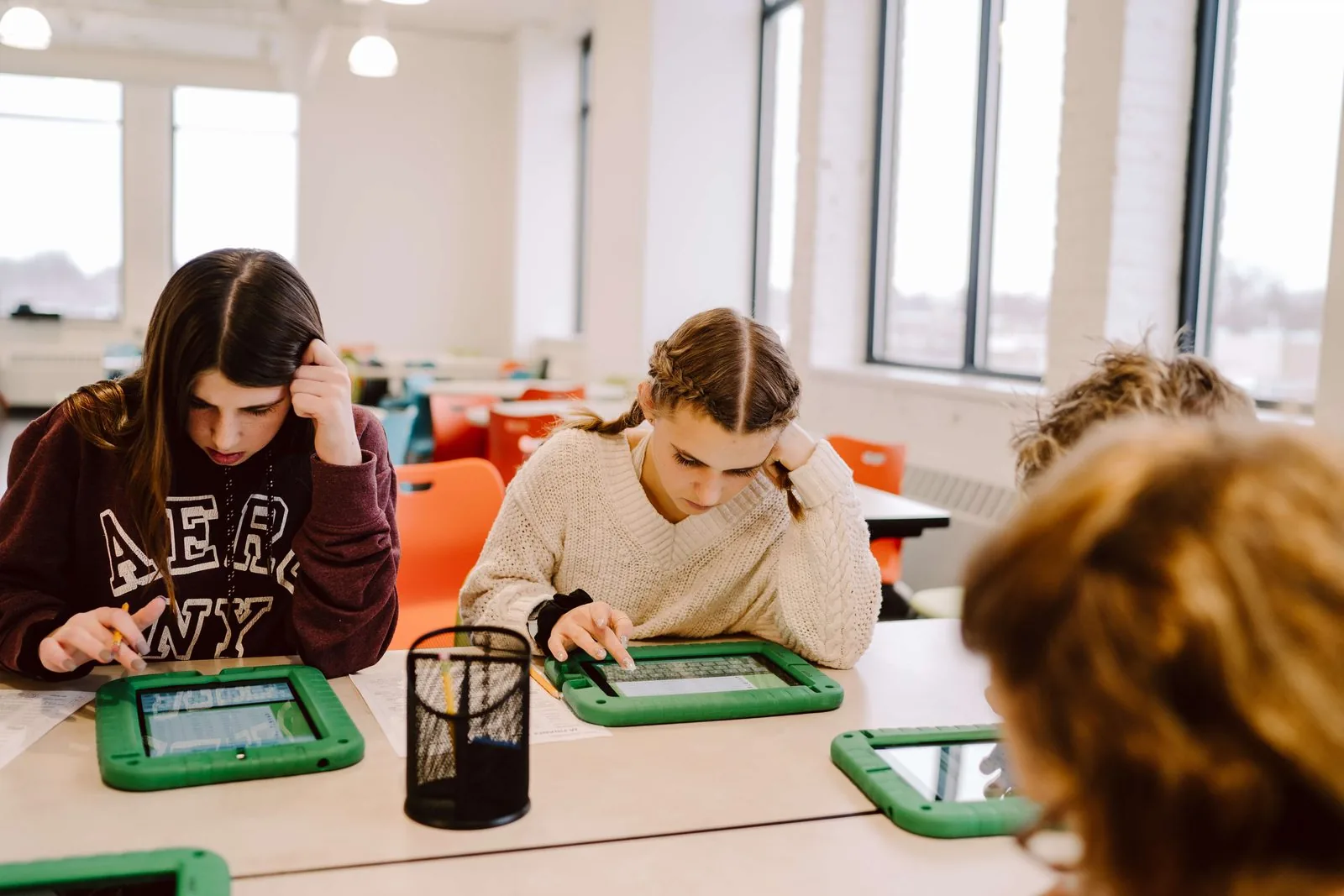
Instead of simply learning about a concept, students get to work through a problem, develop ideas and present their thinking.
They have opportunities to collaborate, communicate and experience what it means to work toward a shared goal.
For example, students from Washington Technology Magnet High School participated in a 3DE business case experience with Cargill. They explored career opportunities and developed recommendations related to building a future technology talent pipeline.
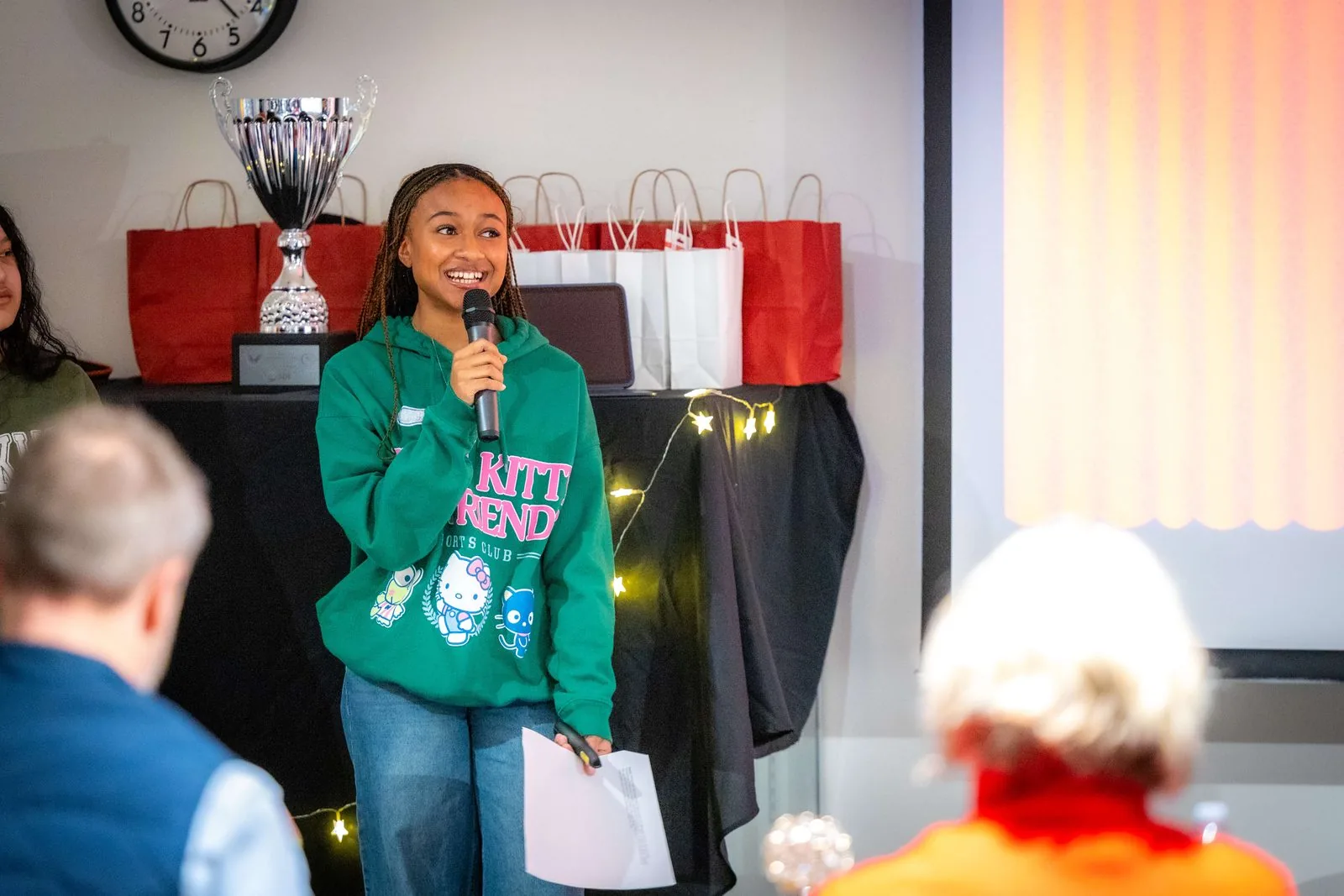
Imagine being a ninth grader and having an opportunity to share your thinking with professionals at a global company.
That's the kind of exposure and experience that can help students begin to see themselves differently.
And we're seeing promising results.
In its 2024-2025 Mission Report, Junior Achievement North reported a 23% increase in students seeing the relevance of school during the first year of its 3DE work.
I think that's important.
When young people understand how what they're learning connects to the world around them, school can begin to feel different.
Employers Have an Important Role to Play
One of the things that makes 3DE meaningful is the involvement of employers.
Businesses bring real challenges into the classroom. Professionals share their experiences, work with students and help them understand what success looks like in different industries.
Students get exposure to careers and workplace expectations that they might otherwise encounter much later in life.
And employers get an opportunity to help prepare the people who may one day become their colleagues.
I'd love to see more conversations across Minnesota about what Power Skills look like in practice.
Which capabilities are employers having the hardest time finding? How can schools build more opportunities for students to develop them? And how can businesses be more involved in helping students prepare?
I also think it's important to recognize the work educators are already doing.
Teachers are helping students develop these skills every day. We have an opportunity to strengthen that work by connecting classroom learning to more real-world experiences and employer perspectives.
Getting Minnesota's Future Workforce Ready
At Junior Achievement North, preparing students for choice-filled lives is central to our mission.
That means giving young people the knowledge and confidence to explore different opportunities, along with the skills to pursue them.
Through programs like 3DE, we're learning what can happen when students, educators and employers work together in new ways.
Now we want to bring more of that experience into a statewide conversation.
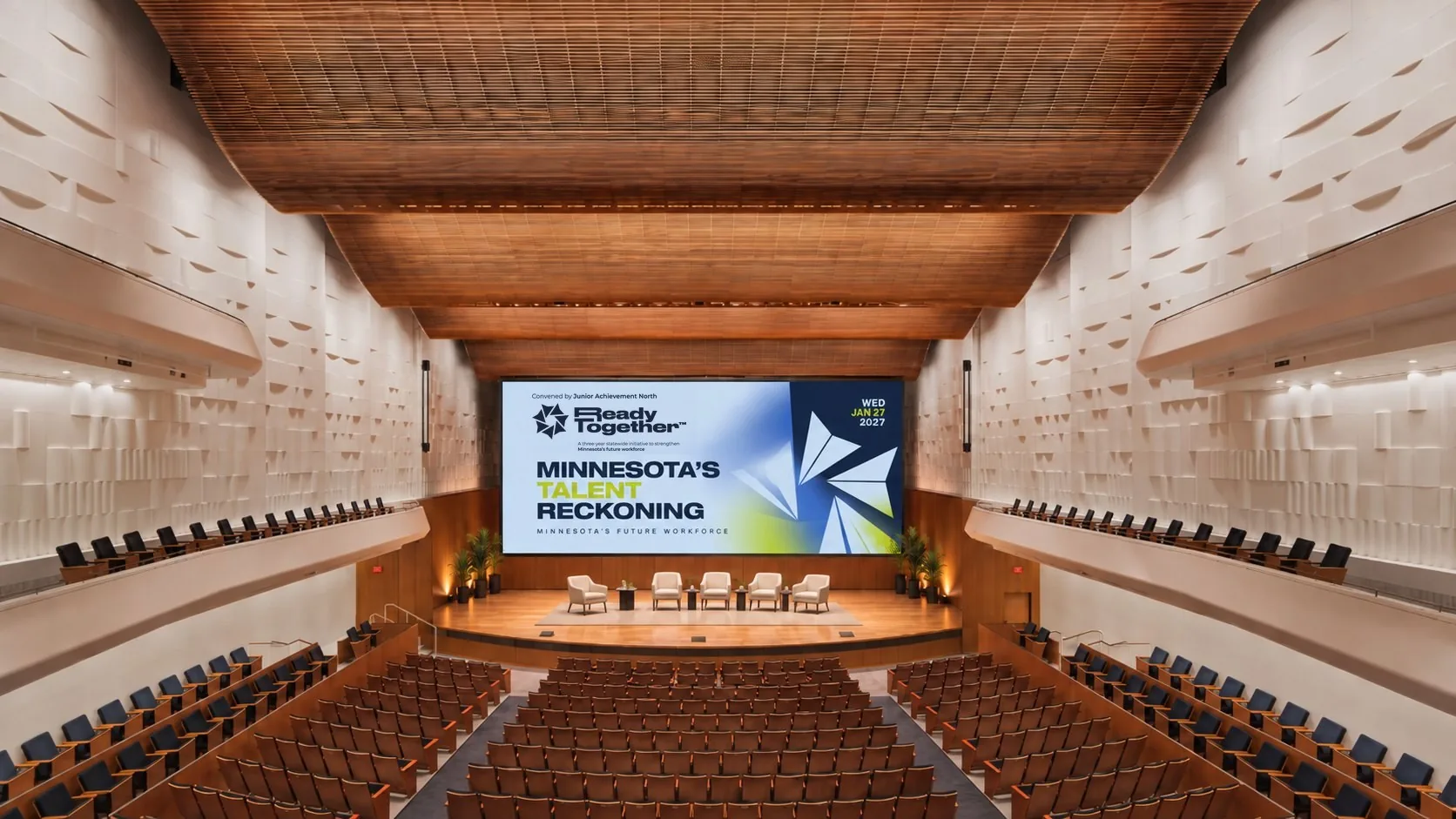
Power Skills will be one of the five priority topics at our inaugural Ready Together Summit on January 27, 2027.
We'll be asking employers, educators and workforce leaders to share what they're seeing, what's working and what more we can do to help young people prepare.
And through Ready Together, we'll continue sharing those insights and resources throughout the year.
I believe Minnesota has an opportunity to make real progress here.
Our students are capable of so much. Let's make sure we're giving them opportunities to discover what they can do.
Because helping young people prepare for the future begins with giving them meaningful opportunities to practice the skills they'll need when they get there.